Quick Change System
Hydraulic Liner Retention System
Change a mud-pump liner in minutes, not hours — hydraulic preload, mechanical lock, zero sledgehammer. Watch the full working principle in the 60-second animation below.
How it works — 60-second animation
Side view of a hydraulic liner retention system on a mud-pump fluid end.
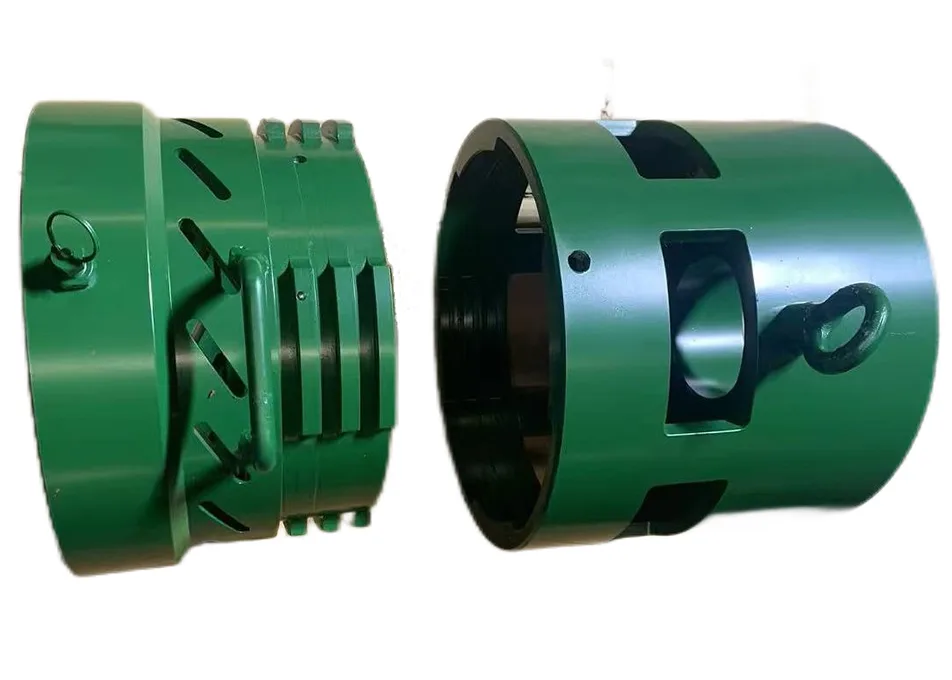
Fluid end, liner, hydraulic retainer and hand pump — four parts, one job: keep the liner seated tight under full pump load, without a sledgehammer.
The liner slides straight into the fluid-end bore until it lands on its seat. No wedges, no hammering — the sealing face stays clean and undamaged.
The retainer nut spins on hand-tight, then the hydraulic cylinder drops over it and the hose is coupled. No tools yet — the hydraulics do the heavy work next.
A few strokes drive the annular piston forward, pressing the liner onto its seat with a controlled, even preload — the same force on every degree of the sealing face.
Run the lock ring home and vent the hydraulic pressure. The preload is now held by steel, not oil — no creep, no loosening under vibration.
To swap a liner, reverse the steps: re-pressurize, back off the lock ring, vent, and pull the liner — typically one technician, well under 15 minutes.
Why crews switch to hydraulic retention
Wedge-style liner clamps need repeated sledgehammer blows in a cramped space — a classic hand-and-shoulder injury scenario. A hydraulic retainer replaces every blow with strokes of a hand pump.
Hammered wedges load the liner unevenly, so the seal face weeps and the liner frets loose under vibration. Hydraulic preload is applied evenly around the full circumference, then held by a mechanical lock ring — it cannot back off.
A liner swap with hammer wedges typically costs 45–60 minutes per hole. With hydraulic retention one technician does it in about 15 — across five holes on a triplex spread, that is hours of pumping time back every maintenance cycle.
We supply retention systems dimensioned for mainstream triplex fluid ends (F-series, PZ, NB and compatible), complete with hand pump, gauges and hoses — plus the liners, pistons and seals to go with them.
Buy the system
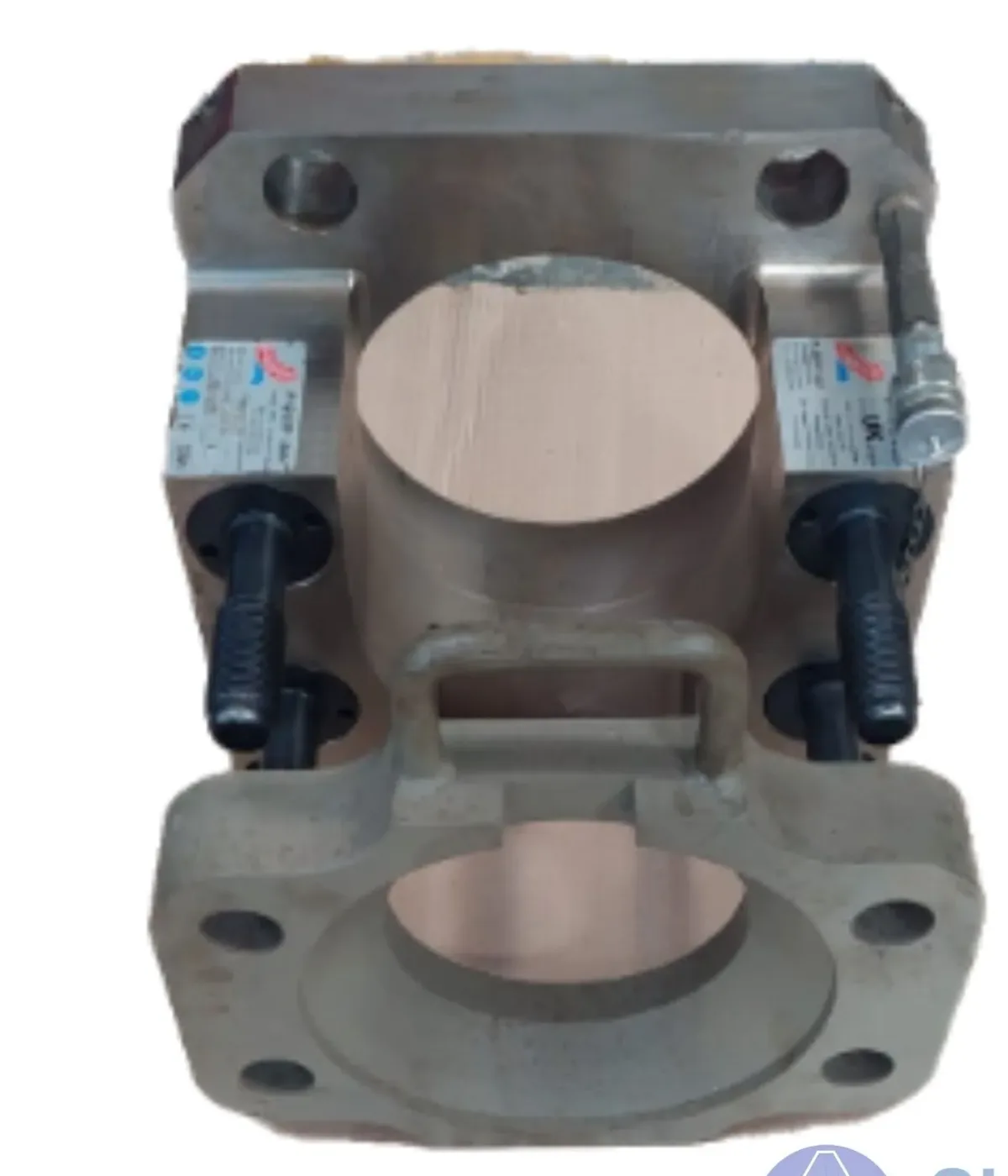
Two documented configurations with hand pump and fittings. Send your pump model and bore size — we confirm fitment before you order.
Common questions
- Does it fit my pump?
- The system is sized to the fluid-end bore and stud pattern. Tell us your pump model (e.g. F-1600, PZ-9, 12-P-160) and current liner size — we confirm exact fitment from our 468-pump database.
- What holds the liner if hydraulic pressure is lost?
- Nothing depends on trapped oil. After pressurizing, the lock ring is run home and pressure is vented — the preload is carried mechanically by steel threads. The hand pump can even be disconnected during operation.
- What comes in the package?
- Retainer assembly, lock ring, hand pump with gauge, high-pressure hose and couplings, plus installation instructions. Spare seal kits are available.
Send your pump model — get a fitment answer today
Factory-direct from an API 7K / ISO 9001 manufacturer. Typical quote turnaround: same business day.